Re‑establishing a sense of safety
Trauma can make the world feel unpredictable. Small, consistent actions help your nervous system relearn safety.

- Create predictable routines — waking, eating, and sleeping at roughly the same times can calm an overactive stress response.
- Set boundaries — limiting contact with people or situations that feel overwhelming is a valid form of protection.
- Choose safe spaces — a room, corner, or environment where your body feels less tense can become a grounding anchor.

Grounding the body after trauma
- Breathing exercises — slow exhales, hand on chest or stomach, or counting breaths can reduce panic.
- Sensory grounding — holding something warm, noticing textures, or naming five things you can see, hear, touch, or smell interrupt flashbacks.
- Movement that feels safe — stretching, walking, or yoga focused on comfort rather than performance.
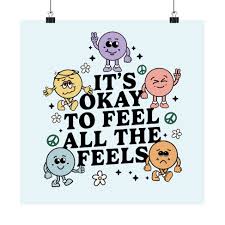
Emotional care and self‑compassion
- Name your feelings — fear, anger, numbness, confusion, or even moments of calm are all normal trauma responses.
- Use gentle self‑talk — phrases like “I’m having a hard moment, and that’s understandable” can soften self‑criticism.
- Limit/avoid overwhelming triggers — limit/avoid news, media, or conversations that intensify distress
Social support and connection
Isolation can make healing harder, but connection doesn’t have to mean telling your whole story.

- Reach out to someone you trust — a friend, family member, or partner who listens without pressure.
- Choose what and how much to share — you control your story; partial disclosure is still connection.
- Seek survivor‑centered communities — support groups (online or in person) can reduce the sense of being alone.
Caring for the mind

- Journaling — writing thoughts without forcing meaning can release internal pressure.
- Creative outlets — drawing, music, or crafting can express emotions that are hard to verbalize.
- Limit self‑judgment about productivity — trauma recovery is not linear, and reduced focus is common.
When symptoms feel overwhelming
Flashbacks, nightmares, panic, or intrusive memories can be intense. A mental‑health professional can help you navigate these experiences safely. If you ever feel in danger of harming yourself or unable to cope, reaching out to a crisis line or someone you trust is important.
 The Things I Didn't Say Out Loud.....Until Now!!